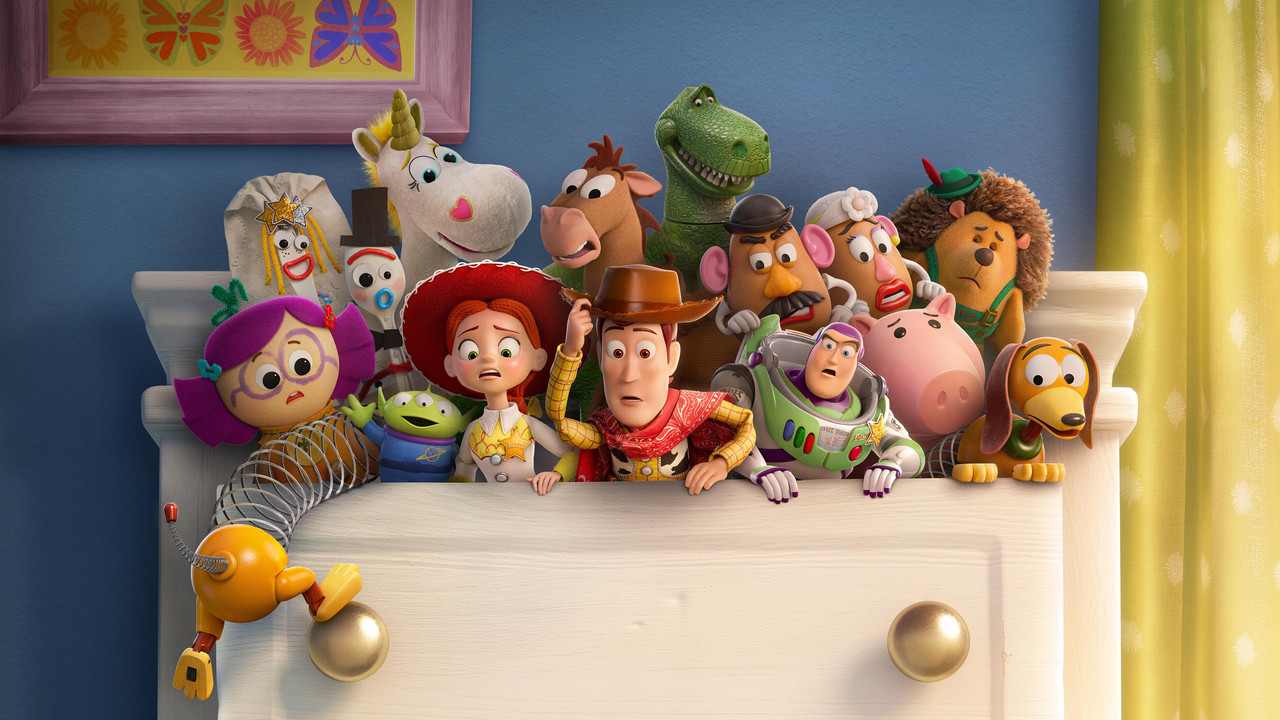
Toy Story 5
Andrew Stanton’s Toy Story 5 continues the beloved franchise’s legacy with a fresh twist that feels both familiar and innovative, although it struggles to fully recapture the magic of its predecessors. As Bonnie becomes enamored with her new Lilypad tablet, Woody, Buzz, and the gang face an unexpected challenge that turns playtime into a battleground against technology’s encroachment on childhood imagination.
The film’s animation is vibrant and meticulously crafted, with colors that pop and characters rendered with a warmth that invites nostalgia. Stanton’s direction often makes use of fluid camera movements; at times, the lens drifts through the imaginative landscapes reminiscent of a child’s playroom, capturing the essence of adventure while grounding the absurdity in relatable stakes. Tom Hanks and Tim Allen deliver performances filled with the heart and humor that fans have come to expect, though Joan Cusack’s return as Jessie provides a delightful, energetic counterpoint that enhances the film’s comedic beats.
However, Toy Story 5 sometimes feels hemmed in by its own legacy. The narrative grapples with an existential theme—how technology threatens the innocence of childhood—that, while relevant, doesn’t fully resonate the way previous films did. There’s a sense that the screenplay, while peppered with witty dialogue, occasionally leans too heavily on familiar tropes instead of exploring new emotional depths. For instance, the relationship dynamics between the toys, particularly Woody and Buzz, tread along well-worn paths rather than breaking new ground.
In comparison to Toy Story 4, which expertly wove themes of personal growth and letting go, Toy Story 5 feels more like a series of comedic vignettes strung together by a central conflict, rather than a cohesive narrative arc. While the stakes are higher with the introduction of a digital antagonist, the emotional weight doesn’t quite match the poignancy found in its predecessors. This film is what Toy Story 4 would be if it swapped its emotional resonance for quirky escapades and an emphasis on humor.
What works
- Animation: Stunning visuals that bring the toys and their world to life.
- Voice performances: Hanks and Allen shine as Woody and Buzz, delivering laughs and warmth.
- Comedic timing: Characters like Jessie and the new digital threat provide engaging humor.
Where it stumbles
- Narrative coherence: Lacks the emotional depth that defined its predecessors.
- Familiar tropes: Relies on established character dynamics rather than exploring new territory.
- Pacing issues: Some sequences feel disjointed, lacking fluidity in storytelling.
The Verdict
Toy Story 5 offers a charming adventure filled with laughs and nostalgic warmth, but it struggles to match the emotional heft of its predecessors, making it a delightful yet uneven addition to the franchise. The film entertains but leaves you yearning for the deeper connections that defined the earlier installments.
Discussion · 0 replies
No replies yet. Be the first to share your take — hit Reply at the top of the review.