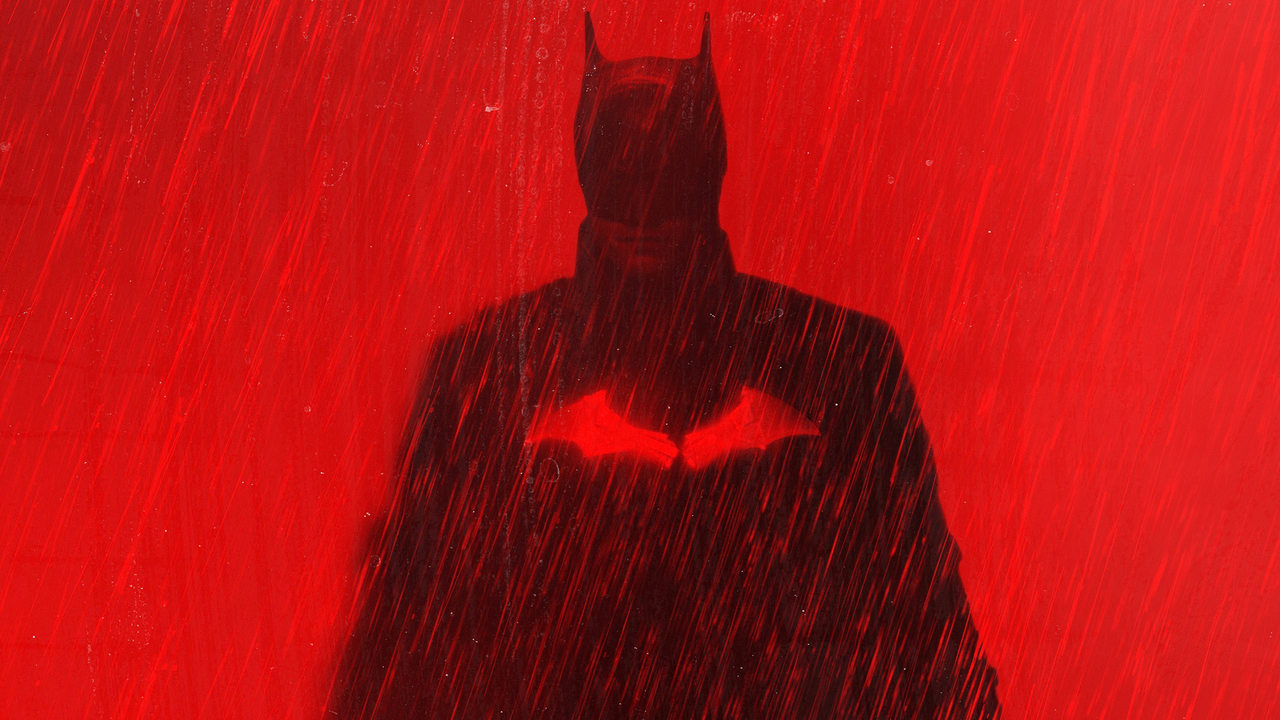
Matt Reeves doesn’t just give us another Batman; he gives us a Gotham that feels like a character gasping for air in a flooded basement. The Batman is less a superhero spectacle and more of a hard-boiled procedural, a film that asks what happens when a man’s trauma isn’t a superpower, but a terminal illness. It is a work of immense tactile density, where you can practically smell the wet pavement and the ozone from a malfunctioning Taser.
Robert Pattinson plays Bruce Wayne not as a billionaire playboy, but as a Kurt Cobain-esque recluse who only feels alive when he’s wearing a tactical suit and breaking metacarpals. There is a specific beat where he enters a crime scene—the camera following his heavy, deliberate boots—and the GCPD officers look at him with a mixture of awe and genuine disgust. It’s a choice that grounds the film; he isn’t a savior yet, just a “vengeance” looking for a target. This is Se7en if John Doe had a penchant for green spandex and live-streaming.
The craft on display is staggering. Cinematographer Greig Fraser paints with shadows that feel heavy enough to crush the frame, while Michael Giacchino’s score lurches with a four-note motif that sounds like a heartbeat skipping. When the Batmobile finally roars to life, it doesn’t sound like a high-tech gadget; it sounds like a prehistoric beast screaming in a tunnel. It’s the kind of visceral filmmaking that makes you realize how sanitized the genre has become. The film looks like it was developed in a vat of espresso and cigarette ash.
Matt Reeves brings a level of grit here that echoes his early work on Homicide: Life on the Street. Much like that seminal police procedural, The Batman is preoccupied with the rot of institutions and the psychological erosion of those trying to fix them. While Homicide operated within the constraints of 90s television realism, this film expands those themes of systemic corruption and the futility of the “good cop” into a sprawling, operatic canvas. Both works share a DNA of restless investigation, where the city itself is an antagonist that refuses to be solved, focusing on the procedural grind rather than the hero’s triumph.
A City Drowning in Ink
The film’s greatest strength is its commitment to being a detective story first and an action movie second. It takes its time—perhaps a bit too much in the final act—to let the clues breathe and the tension mount.
- The introductory monologue: A chilling, noir-infused voiceover that sets a terminal tone for the city.
- The Penguin chase: A masterclass in spatial awareness and practical stunt work that puts most CGI spectacles to shame.
- Paul Dano’s Riddler: A terrifyingly modern villain who feels like he crawled out of a dark-web forum rather than a comic book.
- The production design: Gotham feels lived-in, decaying, and architecturally suffocating, far removed from the sterile skylines of other franchises.
Where the film stumbles slightly is in its runtime. At nearly three hours, the transition from the intimate, rain-streaked mystery of the first two acts to the city-wide catastrophe of the third feels like a slight concession to blockbuster expectations. It loses a bit of that tight, “Zodiac-in-a-cape” tension when the stakes escalate to world-ending proportions. However, the emotional payoff for Bruce—the realization that vengeance isn’t enough—is handled with a humanism that acknowledges the character’s profound brokenness.
The Verdict
The Batman is a haunting, rain-streaked odyssey that successfully strips the mythos down to its grim, detective-noir roots. It is a triumph of atmosphere and performance that proves there is still fertile ground in the shadows of Gotham.
Discussion · 0 replies
No replies yet. Be the first to share your take — hit Reply at the top of the review.